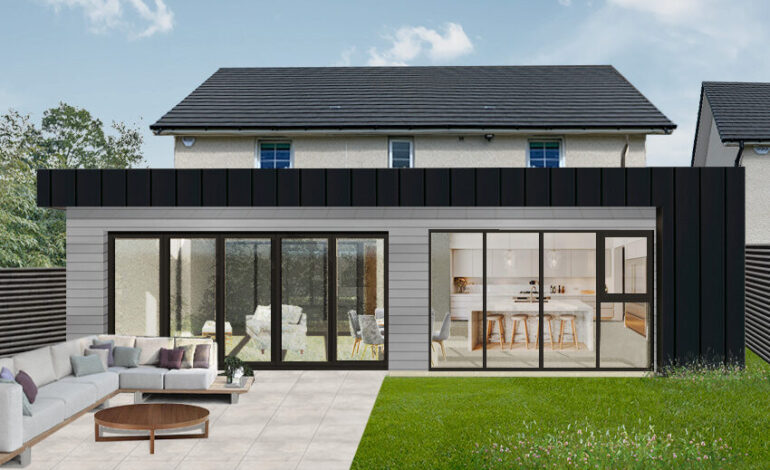

The construction industry is evolving as builders and property developers look for more efficient ways to deliver residential projects. Rising labor costs, unpredictable weather, material delays, and increasing project complexity have made traditional construction methods challenging. As a result, offsite and modular construction are gaining attention as practical alternatives.
For developers planning residential communities, rental properties, accessory dwelling units (ADUs), or single-family homes, working with an experienced Colorado Modular Builder can provide a more coordinated approach to project planning and construction.
Understanding Offsite and Modular Construction
Offsite construction involves manufacturing building components or complete structural modules in a controlled factory environment before transporting them to the construction site for installation.
Unlike conventional construction, where most building activities happen on-site, modular construction allows factory production and site preparation to take place simultaneously.
This approach can help reduce weather-related interruptions, improve construction consistency, and create more predictable project schedules. Once the modules arrive, they are positioned on prepared foundations, connected, and completed with the required on-site work.
Why Colorado Builders Are Exploring Modular Construction
Colorado presents several construction challenges, particularly in areas with changing weather conditions, mountainous terrain, and varying local building requirements.
Modular construction offers several advantages for developers working across different property types.
1. Improved Construction Timelines
Traditional construction projects can experience delays due to weather, labor availability, and scheduling conflicts. With modular construction, building production takes place indoors while site preparation progresses independently.
This parallel workflow can shorten the overall construction schedule and help developers bring properties to market sooner.
2. Better Budget Planning
Managing construction costs is essential for developers and investors. Modular construction allows factory-related costs and onsite expenses to be evaluated as part of a coordinated project budget.
A structured approach to estimating, procurement, and project management can help identify potential cost issues before construction begins.
3. Consistent Building Quality
Factory-controlled production provides a more standardized environment for manufacturing building components. Repeated processes, quality checks, and controlled material handling can support consistent construction outcomes.
For developers planning multiple residential units, this repeatability can be particularly valuable.
4. Opportunities for Scalable Development
Modular construction is not limited to individual homes. It can also support larger residential developments, including duplexes, cottage communities, build-to-rent properties, and workforce housing.
Developers can evaluate repeatable floor plans and construction methods to make multi-unit projects more manageable.
What Should Developers Consider Before Starting a Modular Project?
Although modular construction offers several advantages, successful implementation requires careful planning.
Site Conditions and Zoning: Before selecting a modular design, developers should review zoning regulations, setbacks, density restrictions, utility access, and site conditions. These factors influence which building configurations are suitable for a property.
Transportation and Site Accessibility: Modular units must be transported from the manufacturing facility to the project location. Road access, transportation dimensions, crane positioning, and installation requirements should be evaluated early.
Foundation and Site Preparation: The foundation, utility connections, grading, and other site-built elements must be coordinated with the factory production schedule.
Building Codes and Permits: Developers should confirm applicable state and local requirements, including building permits, structural standards, and inspections. Modular buildings must meet the relevant codes for their intended location and use.
Factory and Contractor Coordination: Clear communication between manufacturers, general contractors, engineers, and installation teams is essential. Responsibilities should be defined before production begins to avoid unexpected costs and scheduling problems.
Modular Construction Solutions for Different Development Projects
An experienced modular construction partner can help developers assess whether offsite construction is appropriate for their specific project.
Some common applications include:
- Single-Family Residential Communities: Repeatable home designs can help production builders coordinate multiple units with greater consistency.
- Accessory Dwelling Units: Modular ADUs can provide additional living space or rental opportunities on suitable residential properties.
- Build-to-Rent Developments: Developers can explore modular housing to support rental communities and long-term investment portfolios.
- Duplexes and Cottage Communities: Smaller residential developments can benefit from standardized designs and coordinated construction processes.
- Workforce Housing: Modular solutions can support housing requirements in industries where accommodation needs to be delivered efficiently.
The right construction strategy depends on the site, project budget, local regulations, and intended property use.
Choosing the Right Modular Construction Partner in Colorado
Selecting a construction partner involves more than comparing building prices. Developers should consider the level of planning, technical support, and project coordination available throughout the development process.
A reliable partner should be able to assist with site feasibility, design coordination, budgeting, manufacturer communication, delivery planning, and onsite construction requirements.
This is where TinyMod Living’s TMOD™ offsite development services can support builders and developers. Its services include zoning and site-fit analysis, 3D modeling, cost breakdowns, project budgeting, factory coordination, and alignment between modular and site-built construction.
Rather than treating modular construction as simply a factory purchase, this coordinated approach helps developers evaluate the complete development process.
Final Thoughts
Modular construction is creating new opportunities for residential builders and property developers looking to improve project efficiency, manage costs, and scale their developments.
With the right planning and construction partner, offsite methods can be considered for everything from individual residential properties to larger multi-unit communities.
For developers exploring their next project, understanding the available modular options and evaluating site feasibility early can make a significant difference to the overall development strategy.