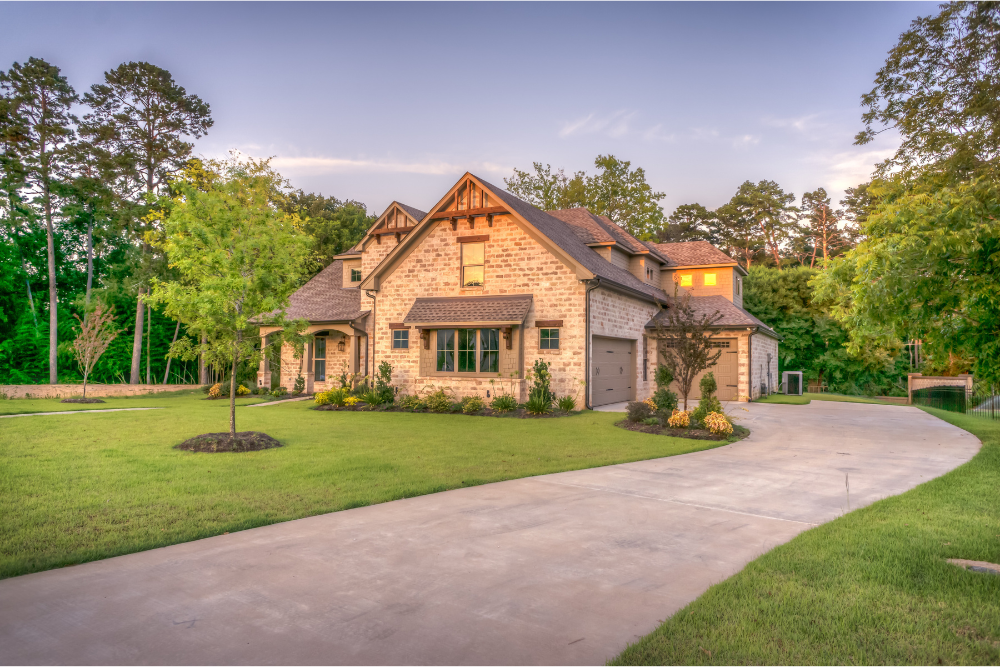
Prefabricated Modular Homes in Nebraska: A Modern Approach to Flexible Homebuilding

The way people approach home construction is changing. Homebuyers are increasingly exploring alternatives to traditional building methods that offer practical layouts, modern designs and a more organised construction process. In Nebraska, prefabricated modular homes are an option worth considering for people planning a primary residence, a smaller home or a property suited to changing lifestyle needs.
What Are Prefabricated Modular Homes?
Prefabricated homes are built using components manufactured away from the final building site. In modular construction, a home is produced in sections within a controlled factory environment and then transported to the property for installation.
This approach allows several stages of construction to take place simultaneously. While the home sections are being manufactured, site preparation and foundation work may also be underway, depending on the project schedule.
For prospective homeowners, this can provide a more coordinated building process than completing every stage sequentially on-site. However, the actual timeline depends on design choices, permits, transportation, site conditions and installation requirements.
Why Consider Modular Homes in Nebraska?
Nebraska offers a variety of residential settings, from established neighbourhoods in Omaha and Lincoln to smaller communities and rural properties. Modular construction can offer flexibility for buyers exploring different locations and housing requirements.
1. A More Streamlined Construction Process
Traditional construction can be affected by weather conditions, material availability and the coordination of different contractors. Factory-based manufacturing provides a more controlled environment for producing the home sections.
Because site work and manufacturing can overlap, modular construction may help reduce the overall project timeline. Proper planning remains essential, particularly when coordinating transportation, foundation work and final installation.
2. Modern Designs and Practical Floor Plans
Today’s modular homes can feature contemporary layouts, open-plan living areas, functional kitchens, comfortable bedrooms and well-designed bathrooms.
Buyers can explore floor plans based on their household size, preferred living arrangements and available land. Depending on the manufacturer and model, options may include different interior finishes, exterior materials, window configurations and additional features.
The goal is to select a design that balances everyday comfort, functionality and long-term suitability.
3. Greater Clarity Around Project Costs
Building a home involves more than the price of the structure itself. Land preparation, foundations, utility connections, permits, transportation, installation and interior upgrades can all affect the final budget.
Prefabricated modular construction can help buyers establish a clearer starting point for budgeting when the home specifications and included features are defined.
Before committing, request a detailed estimate that distinguishes the home price from site-specific expenses. Comparing complete project costs rather than advertised base prices makes it easier to evaluate different options.
4. Options for Different Housing Needs
Modular homes are not limited to one type of homeowner. Depending on the available models and local regulations, they may suit individuals, couples, small families, property owners and developers planning residential projects.
Compact layouts can make efficient use of space, while larger designs can accommodate additional bedrooms and living areas. Some buyers may also explore accessory dwelling units (ADUs), subject to local zoning and permitting requirements.
What Should You Check Before Buying a Modular Home?
Although modular construction offers several potential advantages, choosing the right home requires careful research.
Local building regulations: Check the zoning rules, building codes, setbacks and permit requirements applicable to your specific Nebraska property.
Foundation and site conditions: Soil conditions, grading, drainage and utility access can influence preparation costs and installation requirements.
Insulation and weather performance: Ask about the home’s insulation, windows, heating system and other features appropriate for Nebraska’s seasonal temperature variations.
Transportation and installation: Confirm delivery access, crane requirements where applicable, installation responsibilities and the expected schedule.
Complete pricing: Review the scope of work, included specifications, exclusions, warranty terms and potential additional expenses before signing a contract.
Taking these steps helps buyers make informed decisions and avoid unexpected project complications.
Finding a Modular Home That Fits Your Plans
Selecting a home involves balancing design, budget, location and construction requirements. Comparing available floor plans and understanding the process from initial planning through installation can help narrow the choices.
For buyers exploring prefabricated modular homes in Nebraska, TinyMod Living offers a range of modular home models with different sizes and layouts. Its available options include compact studio designs, one-bedroom homes and larger multi-bedroom residences.
You can explore prefabricated modular homes in Nebraska to review available designs and learn more about potential housing solutions for your project.
Before choosing a model, discuss your property location, intended use, preferred layout and total budget with the provider. Confirm service availability and applicable local requirements for your specific site.
Conclusion
Prefabricated modular homes offer an alternative approach to residential construction by combining off-site manufacturing with on-site installation. For Nebraska homebuyers, the benefits may include a coordinated construction process, practical floor plans and opportunities to tailor a home to individual requirements.
The best results come from thorough planning. By evaluating local regulations, site preparation, installation costs and design options, buyers can make a more confident decision about whether modular construction suits their housing goals.